
North Star Academy / IR vs. Surgery
Different routes.
The same
commitment.
Understand the approach. Weigh the tradeoffs. Choose care around the patient and the treatment goal.
Explore the approaches ↓An interactive chapter for healthcare trainees.

What does this
patient need?
How do we
reach the target?
IR and surgery offer different ways to reach and treat disease. Surgery itself includes minimally invasive and open techniques.
These conceptual routes explain access and visualization. Incision size, device number, and anatomy vary. The diagrams do not represent the same operation or compare clinical outcomes.
Minimally invasive is
a family of approaches.
Laparoscopic and robotic surgery can also use small incisions. IR and surgical teams may work together, use overlapping tools, or combine treatments in a staged plan.
Look beyond
the incision.
Explore 31 topics from access and anesthesia to organ preservation, radiation, and future treatment options.
The plan extends
beyond the procedure.
Access, anesthesia, monitoring, and recovery are linked. A small entry point alone does not determine the care plan.
Ask about milestones,
not a universal calendar.
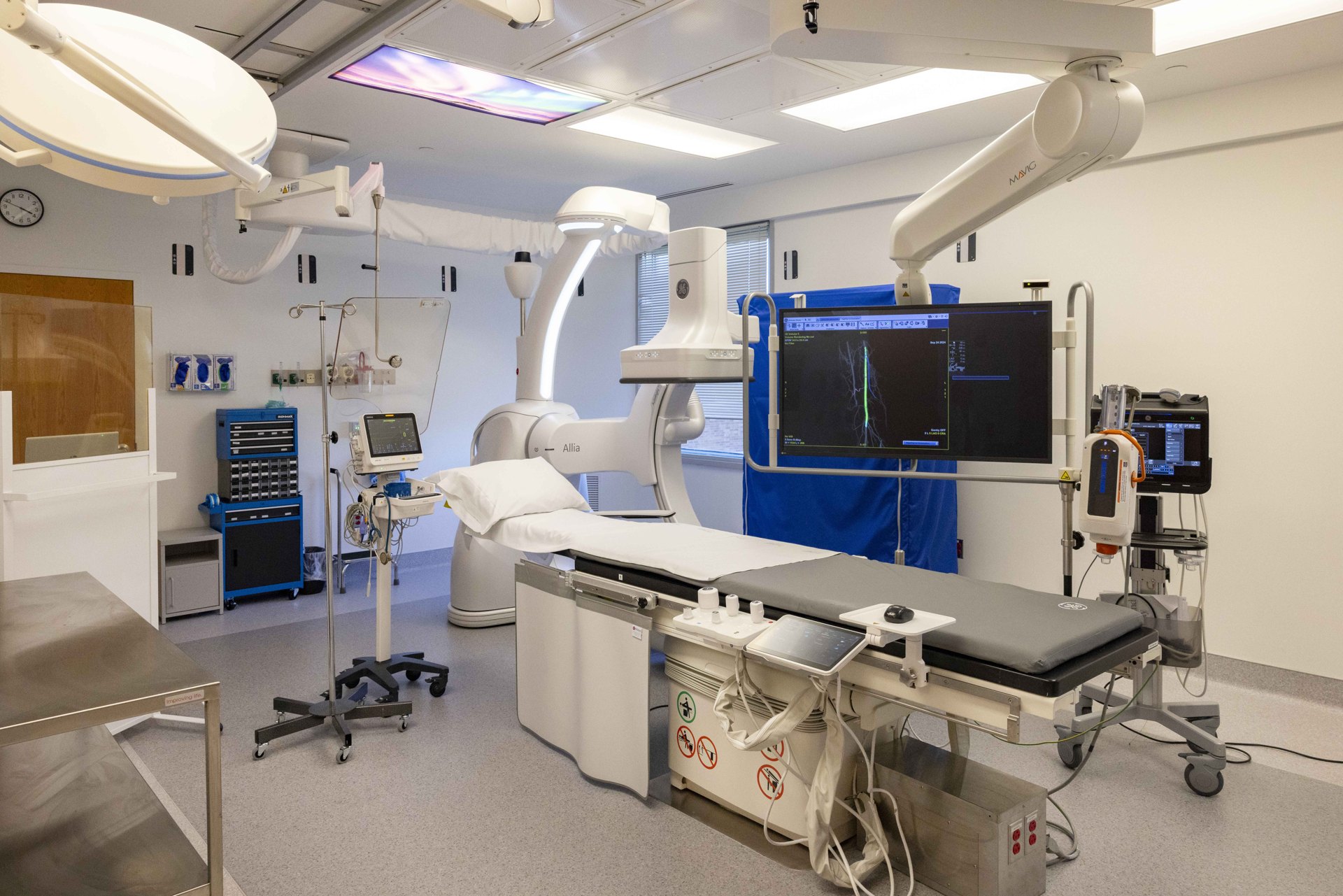

The strongest plan may
involve both teams.
Start with
the treatment goal.
Three teaching scenarios explore how goals, anatomy, and collaboration shape the discussion. Choose a response, then reveal the reasoning.
Hypothetical teaching examples. They do not assign a treatment to an individual patient or replace multidisciplinary assessment.
Questions deserve
clear answers.
Practice explaining common concerns in everyday language, while keeping the clinical qualifications that matter.
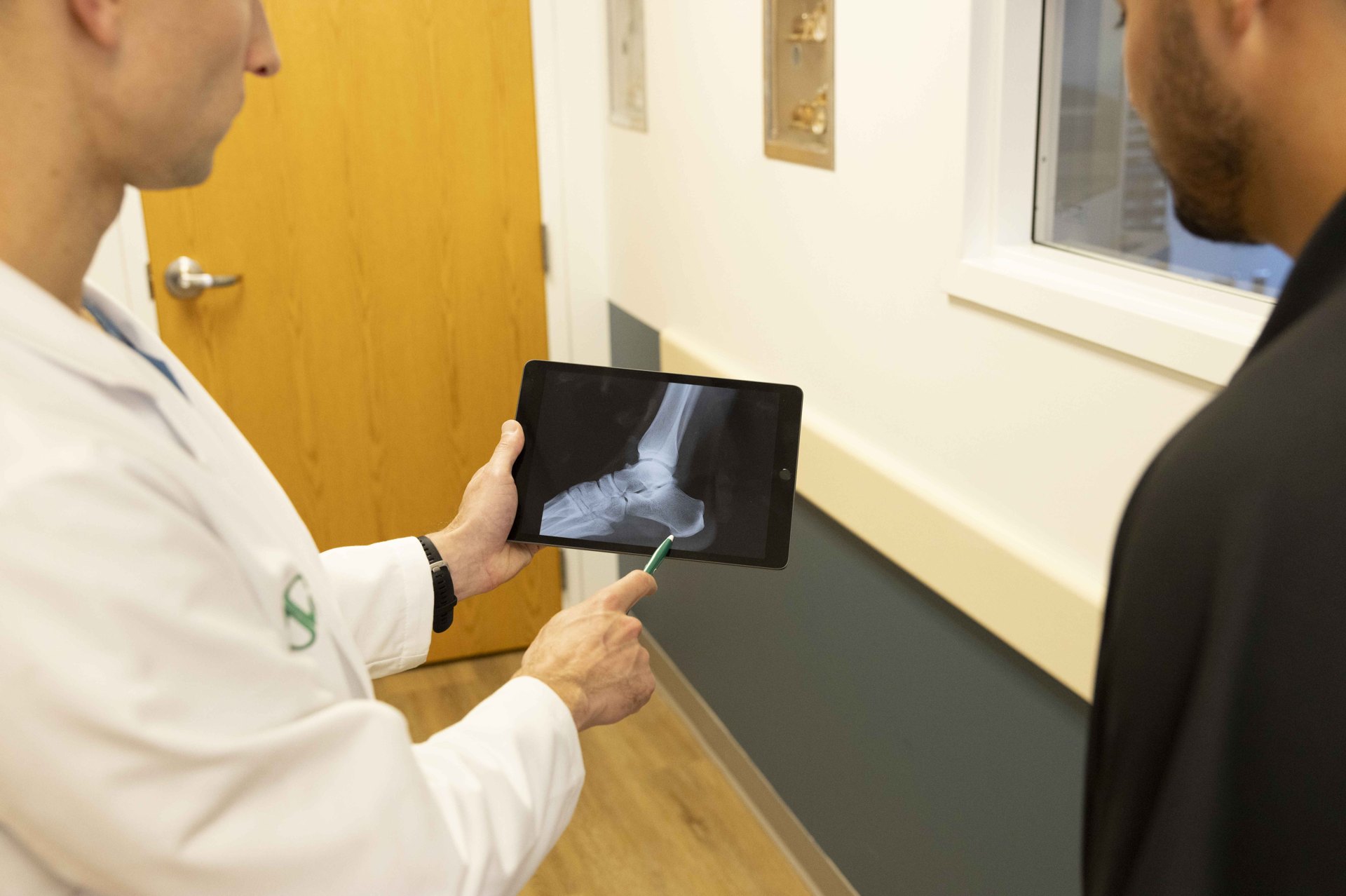
Compare the plan.
Share the decision.
- What is the goal, and which options can achieve it?
- What benefits and risks matter for this patient?
- What happens if symptoms return or treatment falls short?
- What should recovery and follow-up look like?